Letting Go, Taking Over and the Psychology of Business Succession
Explore the human side of successful business transitions

Webinar Registration
Can’t make it live? Register to receive the recording by email.
As Canada faces a major wave of business ownership transitions, some of the greatest challenges confronting organizations will extend beyond the financial, legal and tax considerations. From founders struggling to let go to successors stepping into leadership roles, successful transitions depend on navigating complex emotions, relationships and expectations.
On Thursday, Nov. 19 at noon, join expert Sarah Burrows for a 45-minute webinar exploring the psychology of business succession. Drawing on the unique dynamics of family-owned businesses — where personal relationships and professional responsibilities are often deeply intertwined — this discussion will examine how owners, successors and employees can better manage the human side of change.
You’ll explore:
- Why founders struggle to let go and the influence of identity and legacy
- How successors build credibility while balancing continuity and change
- How family dynamics and unspoken expectations shape succession
- The impact of leadership transitions on employees and workplace culture
- Strategies for navigating the human side of succession
Whether you’re a business owner, leader, employee or advisor, this webinar will offer valuable insights into the human dynamics of succession and how to navigate leadership transitions in organizations of all sizes.
Session Participants
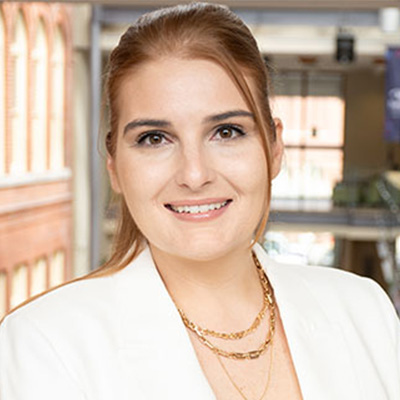
Sarah Burrows
Sarah Burrows is a an Assistant Professor of Entrepreneurship at Smith School of Business, Queen's University. Sarah's research focuses on leveraging her background in psychology to understand how family dynamics influence the management of the firm and entrepreneurship across generations. She uses both quantitative and qualitative methodology, but is particularly passionate about qualitative methods that enable her to dig deeper into a phenomenon and connect with entrepreneurs and their families.
